
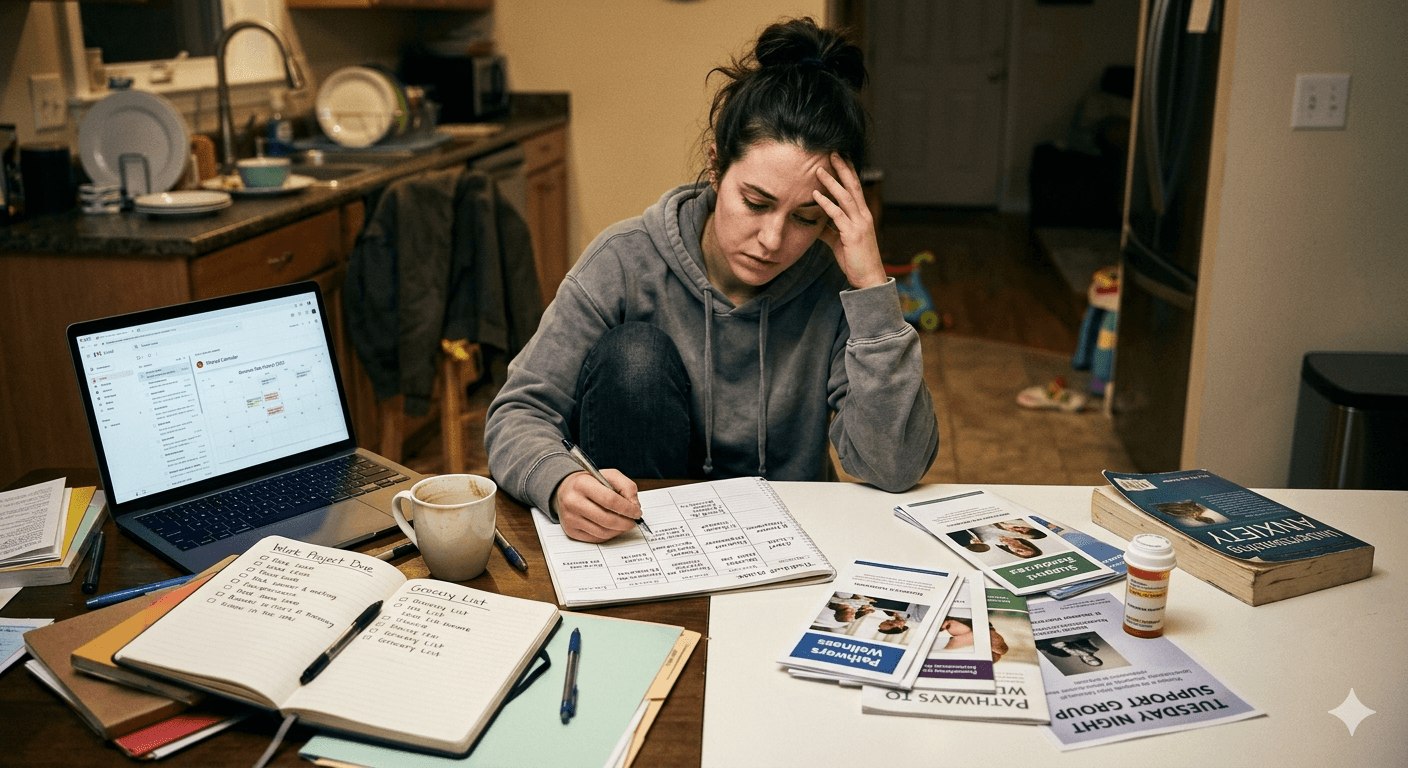
Balancing recovery and daily responsibilities can feel overwhelming. Many people delay getting help because they believe treatment means putting their entire life on hold.
But what if you didn’t have to choose?
An Intensive Outpatient Program (IOP) is changing the way people approach healing. It allows you to continue working, studying, or caring for your family while actively receiving professional support.
Let’s break down how it works and why it might be the turning point you’ve been looking for.
What Is an IOP and How Does It Work?
An Intensive Outpatient Program is a structured treatment plan that provides therapy and support several times a week without requiring you to stay overnight.
Instead of stepping away from your life, you integrate recovery into your routine.
Typical IOP features include:
- Flexible schedules (morning, afternoon, or evening sessions)
- Individual and group therapy
- Mental health and addiction support
- Ongoing monitoring and guidance
This setup makes it possible to stay committed to both your healing and your responsibilities.
Can You Really Work While in Treatment?
Yes, and that’s the biggest advantage of IOP.
Unlike residential programs, IOP is designed for people who:
- Have jobs or careers they want to maintain
- Are students or building a future
- Need to stay present for family responsibilities
You attend therapy sessions at scheduled times, then return to your daily routine.
This balance helps you apply what you learn in real life, right away.
Start Your Journey to True Wellness Today!
Join our healing community for expert tips, mental health insights, and wellness inspiration. Sign up now for a calmer, healthier you!
Why IOP Supports Your Wellness and Career Path
Recovery is not just about stopping harmful behaviors. It’s about rebuilding your life.
IOP supports both your mental health and your wellness and career path by helping you:
- Stay Productive While Healing
You don’t lose momentum at work. Instead, you improve focus, emotional control, and performance over time.
- Build Real-Life Coping Skills
You practice managing stress, triggers, and challenges in your actual environment, not just in isolation.
- Maintain Financial Stability
Continuing to work reduces financial pressure, which is often a major source of stress during recovery.
- Strengthen Confidence
Balancing recovery and work proves to yourself that progress is possible, even during difficult periods.
The Role of an Aftercare Program
Recovery doesn’t stop after your sessions end.
A strong aftercare program ensures you continue to grow and stay on track long after completing IOP.
Aftercare may include:
- Ongoing therapy sessions
- Support groups
- Relapse prevention planning
- Career and life guidance
This long-term support is key to building a stable and sustainable future.
Who Is a Good Fit for IOP?
IOP works best for individuals who:
- Are motivated to recover but need flexibility
- Have a stable living environment
- Do not require 24/7 supervision
- Want to continue working or studying
If you’re trying to balance healing with real-life responsibilities, IOP may be the ideal solution.
Common Concerns About Working During Treatment
“Will my performance at work suffer?”
At first, adjustments may be needed. But many people find their performance improves as their mental health stabilizes.
“What if my employer finds out?”
You are not required to disclose your treatment unless you choose to. Your privacy is protected.
“Can I handle both at the same time?”
With the right structure and support, yes. IOP is specifically designed to make this balance manageable.
FAQs
- How many hours per week is an IOP?
Most programs require 9 to 20 hours per week, depending on your needs and treatment plan.
- Can I choose my session schedule?
Many IOPs offer flexible schedules, including evening sessions for working professionals.
- Is IOP effective compared to inpatient treatment?
For individuals who do not need 24/7 supervision, IOP can be just as effective, especially when combined with a strong aftercare program.
- What types of therapy are included?
IOPs typically include individual therapy, group therapy, and sometimes family counseling.
- Can I transition to or from another program?
Yes. IOP often serves as a step-down from inpatient care or a step-up from basic outpatient treatment.
You Don’t Have to Pause Your Life to Heal
Recovery doesn’t have to mean stepping away from everything you’ve built.
With the right support system, you can heal while continuing to move forward.
An Intensive Outpatient Program gives you the space to grow, the tools to cope, and the flexibility to stay connected to your goals.
If you’ve been waiting for the “right time” to start recovery, this might be it.